Tea Ware Collection

Where form meets function, Tchaba tea ware is designed to enhance every brew, with curated accessories that bring style, ease, and ceremony to your tea ritual.

Mouth-blown and artisanal, the Ameera set redefines royal tea time.

A thoughtfully curated collection to enhance every moment making it the perfect companion for you.

Perfect for gifting or indulging in a luxurious tea experience at home.

$ 34.00

Add to cart

A celebration of balance, beauty, and ancient tea tradition

Flowering Party Ceramic Gongfu Set

A celebration of balance, beauty, and ancient tea tradition

Product Description

Experience the art of tea ceremony with the Tchaba Flowering Party Ceramic Gongfu Set, a meticulously crafted collection that transforms your tea service into an elegant ritual. Creating moments of connection and contemplation. Each piece in this premium ceramic set is designed to honor the centuries-old tradition of careful tea preparation while bringing beauty and sophistication to your modern tea gatherings.

Why the Flowering Party Set is Special

The Tchaba Flowering Party Set stands out for its thoughtful design and exceptional functionality. The smooth, heat-retaining ceramic enhances the natural flavors of your chosen tea, while the traditional gaiwan allows precise control over steeping time and temperature. This set is perfect for those who appreciate the meditative aspects of tea preparation and wish to share the experience with guests, where hospitality and attention to detail create unforgettable moments.

Best Time to Use Your Gongfu Set

The optimal times to bring out your Flowering Party Set are during intimate gatherings, special celebrations, or quiet weekend afternoons when you can fully appreciate the ceremony. Whether hosting a traditional tea tasting with friends or enjoying a peaceful solo session, this set elevates any occasion. It’s particularly suited for exploring the nuanced flavors of oolong, white, and premium green teas, allowing each infusion to reveal new layers of taste.

Benefits of Gongfu Tea Ceremony

The gongfu method offers numerous benefits beyond exceptional flavor. Multiple short infusions allow you to experience the full evolution of your tea’s character, from the bright opening notes to the deep, lingering finish. This mindful brewing practice promotes relaxation, encourages present-moment awareness, and creates a natural rhythm for meaningful conversation. The ceramic material preserves the pure taste of each tea while adding its own subtle warmth to the experience.

Which Tchaba Teas Work Best with the Gongfu Ceremony?

The Gongfu Tea Ceremony celebrates patience, precision, and sensory connection qualities that lie at the heart of Tchaba’s real tea philosophy. It’s a mindful brewing method that uses multiple short infusions to bring out the tea’s evolving character, aroma, and texture.

Among Tchaba’s collections, Oolong teas are the true stars of the Gongfu ritual. Their hand-rolled leaves gradually unfurl with each infusion, releasing a new layer of flavor and aroma every time from the delicate floral top notes to the deeper, buttery finish.

The best choices from Tchaba for Gongfu brewing include:

  • Ali Shan Mountain Oolong – A rare high-altitude Taiwanese oolong, prized for its creamy mouthfeel, orchid aroma, and long, elegant finish.
  • Oriental Beauty Oolong – Honeyed and floral, this semi-oxidized tea unveils a symphony of sweetness and complexity as it opens through successive infusions.
  • Milky Oolong – Naturally smooth and lightly roasted, offering gentle cream and caramel notes that deepen beautifully over time.

For a lighter twist, Dragon Well Green Tea and Pai Mu Tan White Tea also shine in Gongfu-style brewing, rewarding patience with purity and grace.

Each steeping reveals a different mood, a new note, a softer texture – reminding us that tea, like time, unfolds beautifully when we slow down.

Serving Tips

Enhance your gongfu ceremony by pre-warming all pieces with hot water before brewing. Start with 5-7 grams of tea for optimal flavor concentration. Begin with quick 10-15 second infusions, gradually increasing steeping time with each round. The Flowering Party Set pairs beautifully with Tchaba’s Sommelier loose-leaf selections, particularly our Ali Shan Mountain Oolong or Silver Tips White Tea. Complement your tea service with an assortment of dried fruits.

Product Details:

  • Premium ceramic construction for superior heat retention
  • Traditional gaiwan design for precise brewing control
  • Complete set for authentic gongfu tea ceremony
  • Elegant presentation perfect for gifting
  • Capacity suitable for 2-4 guests
  • Care: Hand wash recommended to preserve finish

Elevate your tea ritual with the Tchaba Flowering Party Ceramic Gongfu Set where every pour tells a story of tradition, craftsmanship, and the timeless art of hospitality.

$ 95.00

Add to cart

Bamboo whisk, scoop and bowl kit for authentic, silky ceremonial matcha.

Matcha Set: A Traditional Japanese Ritual and a Cup of Calm
A Kit Born from Simplicity
A matcha set is a fixture in classic Japanese preparation, simple and satisfying. At its core, the set brings together a bamboo whisk, a chawan bowl, and a bamboo scoop. No complicated gadget list, no extra accessories required. This simplicity is part of its charm and what sets it apart from modern shortcuts. The tools are traditional, the method is gentle, and the result is an authentic green drink with balanced flavor and fine froth.

Matcha Set vs Quick Mixers: Understanding the Difference
Many assume a metal frother or a blender will replace a traditional set, but they create different results. A bamboo whisk, called a chasen, is shaped to aerate powder into micro foam and to keep the blend smooth without large bubbles. The chawan, or tea bowl, allows quick motion that protects taste and texture. A bamboo scoop, or chashaku, measures consistently so the brewing stays balanced. Electric tools can be convenient, yet the matcha set keeps the culture, the ritual, and a more refined mouthfeel.

How the Set Traveled Beyond Japan
Matcha began in Japan, where artisan producers stone mill green tea leaves into a vivid powder. Monks and tea practitioners refined the ceremony over centuries, passing down utensils and technique. As green tea spread worldwide, home brewers adopted the chasen, chawan, and chashaku for quiet daily preparation. The set preserved the heart of the experience, even far from its origin.

Home Kitchens That Embrace the Ritual
In busy homes and small cafés, the matcha set has become a meeting point. Morning routines, study breaks, and late evening pauses often start with a warm bowl and a few fast strokes of the whisk. Friends gather at the counter, compare grades, and notice subtle changes in aroma. In a world of constant motion, these simple utensils remain a steady way to brew, sip, and reset.

The Social and Mindful Side of Matcha
The real wellness of matcha is not only about antioxidants. It is about the moments the ritual creates. Scooping the powder, warming the bowl, whisking to a quiet froth, and drinking with attention become a mindful sequence. It encourages slower preparation, clear focus, and conversation. The small ceremony turns a quick cup into a calm experience.

Specialty Grades and Tchaba’s Matcha Set
While the core method remains the same, choice of powder shapes flavor. Ceremonial grades bring a round, sweet taste with soft umami. Barista styles are designed for milk and iced service. A considered matcha set supports both, keeping the utensil shapes that help you control texture. For home preparation, Tchaba’s matcha set brings together a bamboo whisk, a chawan bowl, and a bamboo scoop for an authentic start in your own kitchen.

Why to Avoid Low Quality Tools and Powder
Inexpensive kits sometimes use varnished or brittle bamboo, shallow tine counts, or synthetic finishes that affect quality. The whisk may split or fail to create even froth. Very coarse or stale powder can taste flat or bitter. Choosing a sound bamboo whisk and fresh Japanese style powder preserves aroma, protects the bowl surface, and keeps the blend smooth from the first sip to the last.

A Daily Ritual Worth Preserving
Across apartments, studios, and family homes, the matcha set punctuates the day. Early practice, midmorning breaks, and quiet nights are all occasions for preparing a small bowl. The method is accessible and widely understood. The tools are simple, yet the role they play in daily life is anything but.

$ 68.00

Add to cart

Heat‑proof glass pot with infuser brews blooming or loose teas beautifully.

$ 26.00

Add to cart

Borosilicate glass cups and saucers elevate tea ceremonies with lasting clarity

$ 14.00

Add to cart
Slatted bamboo tray drains water and organizes teaware with elegance.

$ 22.00

Add to cart

Crafted in Hebron, this ceramic tray elevates tea with grace

$ 68.00

Add to cart

Hand‑painted Amon tray adds vibrant color when serving tea and pastries.

$ 68.00

Add to cart

Traditional Hebron Ceramic tray in blue‑white designs for artisanal flair.

$ 68.00

Add to cart

Coastal Yafa blues adorn this ceramic server, perfect for cups and sweets.

$ 68.00

Add to cart

Frequently Asked Questions About Teaware

What is included in the Teaware collection?

The collection includes teapots, cups, saucers, infusers, strainers, mugs, trays, and accessories like whisks. Each piece supports practical brewing, neat serving, and relaxed gatherings where conversation flows naturally. Whether you build a full set or start with one item, this teaware helps you enjoy teas with consistent flavor, aroma, and elegance.

Which teapot shape and size should I choose?

Select a capacity that matches your routine and the number of people you usually serve. A 500–700 ml teapot works well for one to two cups, while a 1 L pot suits small social gatherings and family moments. Prioritize a comfortable handle, a snug lid, and a spout that pours cleanly so your beverage lands smoothly in every cup and saucer.

What are the differences between porcelain, ceramic, and glass?

Porcelain is smooth and non porous, preserving clarity of flavor and aroma for delicate teas and leaf tasting. Ceramic has slightly thicker walls that retain heat, which complements bold black tea or oolong during longer conversations. Glass showcases the liquor’s color and lets you track the steepness, which is helpful when dialing in timing for different types of teas.

Do I need both an infuser and a strainer?

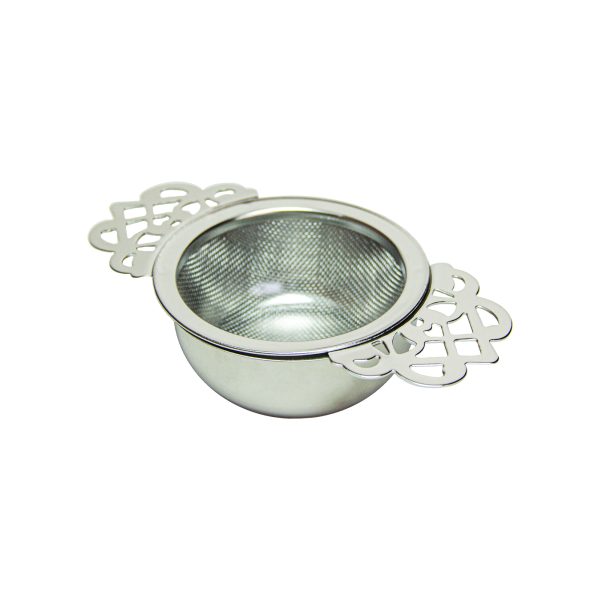
An infuser holds the leaves in place as they steep, making removal simple and keeping the liquor clear. A strainer catches leaves at the spout or above the cup as you pour, which some people prefer for a freer infusion inside the teapot. Many tea drinkers keep both, using the infuser for precision and the strainer for flexible, tradition friendly brewing.

How do I prepare teaware before brewing?

Preheat the teapot or mug with hot water to stabilize temperature and improve extraction. Measure the right amount of leaf for the tea type, then heat water carefully so you respect the ideal range for green tea, black tea, or herbal blends. This simple routine supports consistent results and a calm, enjoyable ceremony from preparation to serving.

What water temperatures work for common teas?

As a starting guide, use 75–85°C for green tea, around 90°C for oolong, and about 95°C for black tea and most herbal infusions. Taste early and adjust steep time to avoid bitterness while protecting aroma and mouthfeel. Over time you will learn how your kettle and teapot behave, which helps you fine tune temperature for your favorite beverage.

How do trays and serving pieces help with etiquette?

A tray keeps cups, a teapot, and a small bowl for the infuser organized so serving feels graceful. It encourages a natural rhythm of pouring for guests first, offering refills, and keeping the space tidy during social gatherings. These small customs add warmth and respect to the moment, turning routine serving into a relaxed ceremony.

How can I avoid bitterness or a flat tasting cup?

Bitterness often comes from water that is too hot or steep times that are too long, so reduce temperature slightly or shorten the infusion. If the cup tastes thin or flat, add a bit more leaf or extend the steep by 15 to 30 seconds while watching color and aroma. Keeping notes on preparation helps you repeat great results across different teas and teaware.

What care does teaware need after use?

Rinse teaware soon after serving to prevent stains and preserve the finish on porcelain, ceramic, and glass. Hand wash infusers and strainers so tiny perforations stay open and the flow remains clean.

s glass safe for hot brewing and everyday use?

Heat resistant borosilicate glass is designed for temperature changes and daily brewing. It highlights the liquor’s clarity and color, which is helpful for timing your pour when you steep new types of teas. With normal care and gentle cleaning, glass pieces provide reliable performance and a clear view of the infusion.

How do I choose a kettle for better control?

Pick a kettle with a predictable, steady flow so you can pour at a comfortable pace. A gooseneck design can improve precision, especially when you brew smaller pots or focus on delicate teas. If you use a standard kettle, practice a slow, even stream and align the spout with the cup to keep serving relaxed and consistent.

What accessories are useful for special teas?

Fine mesh strainers support a clear liquor when you brew small leaf grades or spice blends. Matching mugs, cups, and a tray round out a serving set, making preparation and presentation feel cohesive during both quiet moments and friendly gatherings.