
Add $100 for free shipping.
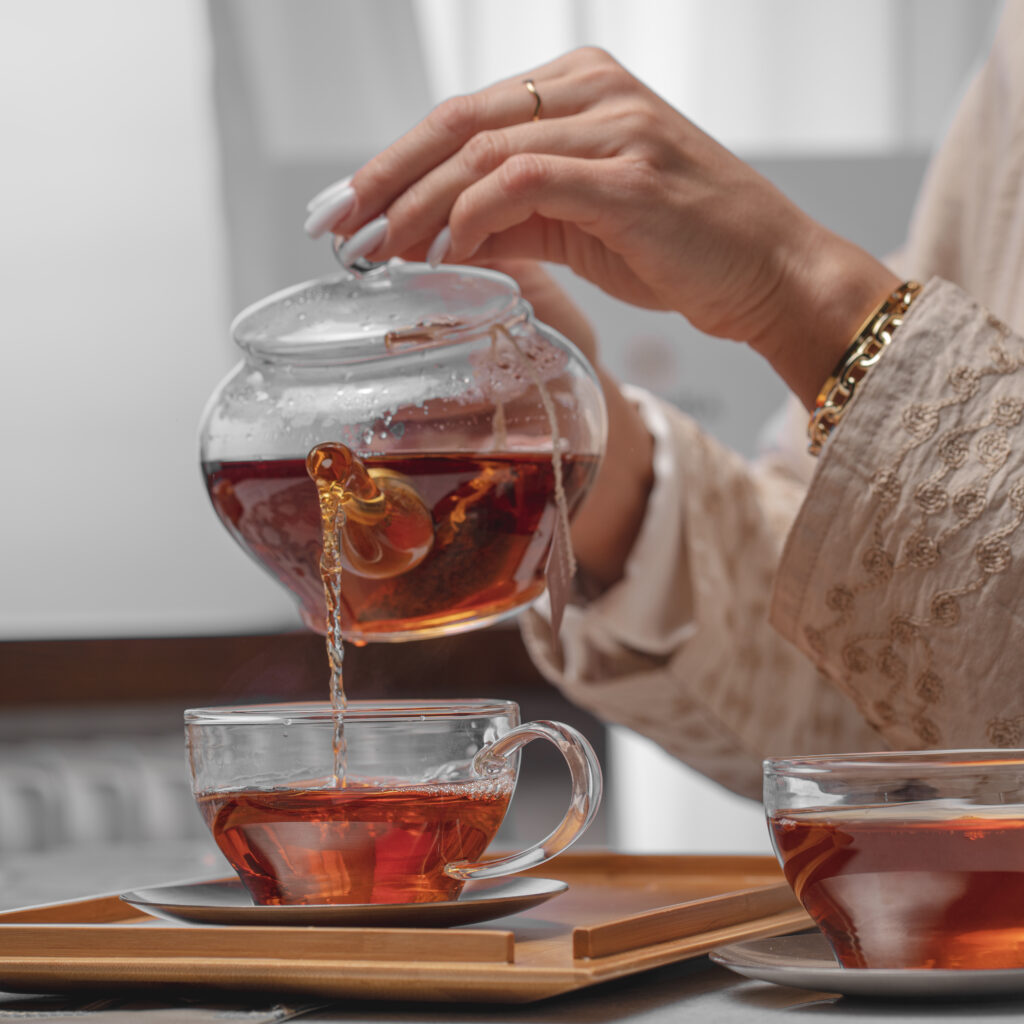
We all know the modern dilemma: the persistent advice to drink more water clashes with the reality of its monotony. This leads to a cycle of forgotten hydration, resulting in afternoon fatigue and a pervasive mental fog. Despite our best intentions, meeting our daily fluid intake can feel like a chore, not a cornerstone of wellbeing.
This cycle has tangible consequences. The mild headache that creeps in mid-afternoon, the lack of radiance in your skin, the unpredictable energy crashes, and the wavering concentration are often signs of mild dehydration. In response, the common habit is to reach for another coffee, which can unknowingly perpetuate the very cycle that sabotages our wellness goals.
The solution is both elegant and ancient. Tea offers a transformative path, turning hydration from a mundane necessity into a mindful, flavorful journey. It’s an invitation to nourish both body and soul, meeting your daily fluid requirements with genuine pleasure.
Not everyone enjoys the plain taste of water but hydration doesn’t have to be boring. With Tchaba, you can turn every sip into an experience. Simply drop any of Tchaba’s tea sachets into your bottle or tumbler and keep refilling with fresh water throughout the day.
As the leaves gently infuse, they add flavor, aroma, and antioxidants transforming ordinary water into a light, refreshing wellness drink. From Tchaba Mint to Jasmine Haze, each sachet brings its own personality, making hydration effortless and enjoyable.
If you’re not fond of hot beverages like tea or coffee, Tchaba’s Cold Brew Teas are the perfect alternative.
They’re crafted to infuse beautifully in cold water, releasing smooth, balanced flavor without bitterness. Just add a sachet to your bottle or pitcher, let it steep in the fridge or on your desk, and enjoy a cooling, hydrating drink all day long.
Popular choices for cold brewing include:
Hydration extends far beyond simply drinking water. Your body requires a delicate balance of fluids, electrolytes, and minerals to function optimally. The beverages you choose either enhance or hinder your body’s ability to maintain this crucial balance.
Your body is approximately 60% water, and nearly every biological process depends on adequate fluid intake. Hydration is the silent engine that powers our wellbeing, with critical functions that include:
Beyond biology, traditional Arabian tea culture offers a profound perspective, viewing tea as a vehicle for wellness, community, and mindful living. The ritual of preparing and enjoying tea creates natural pauses throughout the day, encouraging regular fluid intake while fostering a deeper connection to the present moment. This cultural wisdom provides a powerful framework for integrating hydration into our lives.
By appreciating these biological and cultural dimensions, we can see how the science of tea supports our hydration goals.
To confidently embrace tea as a primary source of hydration, it is crucial to address the most persistent misconception surrounding it: the role of caffeine. Many believe that caffeinated beverages are inherently dehydrating, but modern science tells a different, more nuanced story.
The central myth is that caffeine’s mild diuretic effect negates the fluid consumed. However, extensive research consistently demonstrates that this concern is largely unfounded for regular tea consumption. Studies confirm that the volume of fluid in a cup of tea far outweighs any minimal fluid loss from its caffeine content. In fact, both black and green tea contribute almost as effectively to hydration as plain water.
A key factor in this equation is caffeine tolerance. For those who habitually enjoy tea, the body adapts, and the diuretic effect of caffeine diminishes significantly. This means your regular morning cup of Earl Grey Flora or an afternoon Dragon Well is not only a moment of pleasure but an effective part of your daily hydration strategy, delivering beneficial natural compounds alongside essential fluids.
With this myth dispelled, we can explore how different types of tea can be strategically selected to meet our unique hydration needs throughout the day.
Choosing the right tea for the right moment allows you to transform hydration from a passive activity into a strategic wellness practice. This guide will help you navigate the world of tea to maximize the unique benefits each variety offers, ensuring you are nourished, energized, and hydrated from morning to night.
Black tea provides a substantial hydration boost coupled with a gentle, sustained energy release. Its moderate caffeine content (typically 40-70mg per cup) offers alertness without the sharp peaks and crashes associated with coffee. It’s an excellent choice for morning hydration to replenish fluids lost during sleep. Examples include the rich, malty Royal Assam, the classic Royal Breakfast, the delicate Royal Darjeeling, and the uplifting Earl Grey Flora, which is elevated with the very finest Calabrian bergamot oil.
Green tea offers excellent hydration with lower caffeine levels (typically 25-50mg per cup), making it a perfect choice for continuous sipping. It also contains L-theanine, an amino acid known to promote a state of calm, focused awareness. It’s ideal for sustained hydration throughout the day, providing a gentle energy lift that won’t interfere with sleep patterns. Consider the classic Sencha Zen, the floral Jasmine Pearl, or a cup of Moroccan Nights for a “refreshing reset” that wakes up the senses.
Oolong teas like Oriental Beauty and Ali Shan Mountain represent the perfect middle ground between black and green teas. Their balanced profile makes them suitable for any time of day. Furthermore, the traditional “gongfu cha ceremony” associated with oolong consumption promotes mindful drinking, encouraging smaller, more frequent sips that optimize hydration absorption.
With its minimal processing and the lowest caffeine content among true teas, white tea is the gentlest approach to tea-based hydration. Its pure, subtle flavor profile is both refreshing and calming, making it an excellent choice for evening hydration. Silver Tips and Pai Mu Tan are classic examples, while blends like The Rosa offer a light energy lift and are ideal for staying composed during high-pressure tasks.
For those seeking maximum hydration without any caffeine, herbal infusions (or tisanes) are the ideal solution. These blends provide pure fluid intake while delivering unique therapeutic properties.
By mindfully selecting from this hierarchy, you can align your hydration with your body’s needs, a practice that is beautifully articulated in the art of mindful consumption.
In the pursuit of optimal wellness, how you hydrate is just as important as what you drink. The wisdom of Arabian tea culture offers a valuable model through its ‘sip by sip’ philosophy, transforming hydration from a simple necessity into a meaningful ritual.
This approach encourages consuming fluids in smaller, more frequent amounts throughout the day. Research suggests this method may be more effective for maintaining consistent hydration levels than drinking large volumes infrequently, as it allows the body to absorb fluids more efficiently.
More profoundly, the act of mindful drinking fosters a deeper connection with your body. When you pay close attention to the flavor, aroma, and warmth of your tea, you become more attuned to your body’s subtle signals of thirst and satiety. This heightened awareness is your most powerful tool against that creeping 3 PM headache and mental fog we discussed earlier, allowing you to respond to your needs proactively and maintain a state of balanced wellbeing.
This philosophy provides the foundation for building a practical and personal daily hydration plan.
The key, as I always tell my clients, is to create an enjoyable and sustainable routine. Integrating tea into your daily life for optimal hydration is not about rigid rules but about discovering moments of pleasure that align with your body’s natural rhythms.
Different teas release their best flavors and beneficial compounds at specific temperatures. Use near-boiling water (90–100°C) for black teas, and cooler water (70–85°C) for delicate green teas to avoid bitterness and preserve their natural sweetness.
By structuring your day with these simple rituals, you create a powerful synergy between hydration and overall wellness.
The journey toward optimal hydration does not have to be a flavorless obligation. By embracing the wisdom of tea culture and the ‘sip by sip’ philosophy, you can transform this daily necessity into a source of profound pleasure, wellness, and mindful living.
From the robust energy of a morning black tea to the gentle comfort of an evening herbal infusion, each cup is an opportunity to tune into your body’s needs, quiet your mind, and nourish your spirit. The path to better hydration does not require drastic change; it simply invites you to discover the perfect cup of tea for every moment, creating a personalized approach to wellness that honors both your individual needs and the timeless wisdom of this ancient practice.
Absolutely. Research consistently shows that tea contributes positively to hydration. The fluid intake from tea far outweighs any mild diuretic effects from caffeine, making it a valid part of your daily fluid goal.
While individual needs vary, consuming 3-5 cups of tea daily can significantly contribute to your hydration goals. This should be part of a total daily fluid intake of 8-10 cups from all sources, including plain water.
All teas are hydrating. For pure, caffeine-free hydration, herbal infusions like Chamomile Breeze, Tchaba Mint, and Rooibos Orange are excellent choices. For caffeinated options, green and white teas offer great hydration with lower caffeine levels than black tea.
While tea is an excellent source of hydration, a varied fluid intake that includes plain water is best. This combination ensures optimal hydration while allowing you to enjoy the different flavors and wellness benefits that tea offers.
Yes, iced tea provides the same hydration benefits as hot tea. The temperature does not affect its hydrating properties, and cold-brewed teas can offer a uniquely refreshing experience, especially in warmer climates.
Timing your tea intake can optimize its benefits. A morning black tea helps replace fluids lost during sleep, an afternoon green tea maintains energy and hydration, and an evening herbal tea provides caffeine-free hydration without disrupting sleep.